
Peripheral Nerves Doctor in Mumbai
What is a Peripheral Nerve?
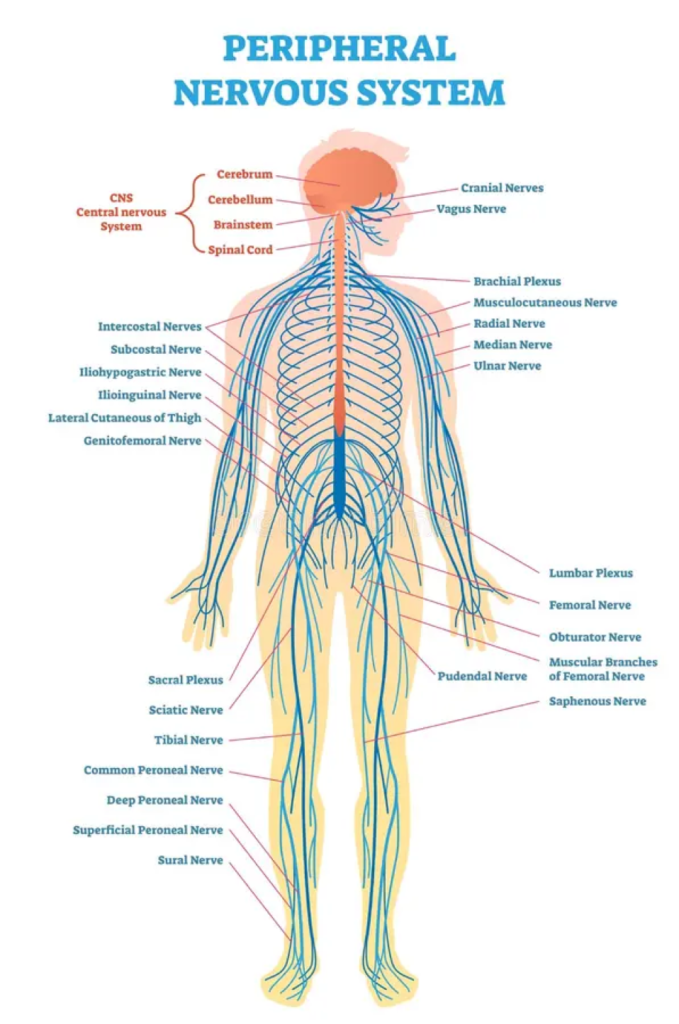
Peripheral nerves are a vital part of the nervous system, connecting the brain and spinal cord to the rest of the body. These nerves are responsible for transmitting signals that control movement, sensation, and organ function. Damage to peripheral nerves can result in conditions like neuropathy, causing symptoms such as pain, numbness, and weakness. Understanding and treating peripheral nerve disorders is crucial for maintaining mobility and quality of life.
Why Choose Us?
At Dr. Mazda Turel’s clinic, we offer unparalleled expertise in the diagnosis and treatment of peripheral nerve conditions. With years of specialized training and experience, Dr. Turel and his team are dedicated to providing personalized care tailored to each patient’s unique needs. We utilize advanced diagnostic tools and innovative treatment techniques to ensure accurate diagnoses and effective treatment plans. Our patient-centered approach ensures that you receive compassionate support and clear communication throughout your treatment journey. We adopt a holistic approach to peripheral nerve care, incorporating pain management, physical therapy, and lifestyle modifications to promote overall health and recovery. Choose Dr. Mazda Turel for expert care, cutting-edge treatments, and a commitment to your well-being.
Complete Peripheral Nerve Care by a Peripheral Nerves Doctor in Mumbai
Peripheral nerve problems can affect the way you move, feel, work, walk, sleep, and use your hands or legs in daily life. Many patients first notice tingling, burning pain, numbness, weakness, cramps, electric-shock like pain, or loss of grip. Sometimes the symptoms are mild in the beginning, but if the nerve remains compressed or damaged for a long time, recovery may become slower. This is why timely evaluation by a Peripheral Nerves Doctor in Mumbai is important.
Dr. Mazda K. Turel provides careful assessment for patients with suspected nerve compression, nerve injury, neuropathy, nerve tumors, and other peripheral nerve conditions. The goal is to understand where the nerve problem is, why it is happening, how severe it is, and which treatment can provide the best possible recovery. Some patients may improve with medicines, physiotherapy, splints, lifestyle changes, and pain care. Others may need surgery when the nerve is trapped, injured, or not recovering naturally.
Understanding Peripheral Nerve Conditions
Peripheral nerves carry signals between the brain, spinal cord, muscles, skin, and organs. When these nerves are irritated, compressed, stretched, cut, inflamed, or damaged, patients may experience pain, numbness, weakness, muscle wasting, or reduced function. A Peripheral Nerves Doctor in Mumbai evaluates these symptoms with a detailed clinical examination and relevant investigations.
Peripheral nerve conditions may affect the upper limb, lower limb, face, neck, shoulder, hand, wrist, elbow, leg, ankle, or foot. Some conditions are caused by repetitive strain, long-term pressure, diabetes, trauma, accidents, tumors, infection, inflammation, or previous surgery. In many cases, early diagnosis helps prevent permanent nerve damage and improves the chance of functional recovery.
Symptoms That Should Not Be Ignored
Many nerve-related symptoms are ignored because patients assume they are due to tiredness, posture, or temporary strain. However, persistent or progressive symptoms need specialist care. You should consult a Peripheral Nerves Doctor in Mumbai if you have repeated numbness, tingling, burning pain, pins-and-needles sensation, hand weakness, foot weakness, difficulty holding objects, muscle wasting, sharp shooting pain, loss of sensation, unexplained limb pain, or weakness after injury.
Warning signs include increasing weakness, sudden loss of movement, foot drop, hand grip weakness, severe pain after trauma, progressive numbness, and visible muscle thinning. These symptoms may indicate significant nerve involvement. Delaying treatment can sometimes reduce the chance of complete recovery, especially when a nerve is compressed for a long period.
Common Peripheral Nerve Problems Treated
Patients visit Dr. Mazda K. Turel treats a wide range of peripheral nerve disorders. These may include nerve entrapment, nerve compression, nerve injury, neuropathy, nerve tumors, traumatic nerve damage, painful neuroma, brachial plexus injury, carpal tunnel syndrome, cubital tunnel syndrome, peroneal nerve palsy, facial nerve problems, sciatic nerve-related issues, and post-surgical nerve pain.
A Peripheral Nerves Doctor in Mumbai does not treat every patient with the same method. The treatment depends on the affected nerve, severity of damage, duration of symptoms, pain level, muscle strength, and test findings. The aim is to reduce pain, restore movement where possible, protect nerve function, and improve quality of life.
Diagnosis and Investigation for Peripheral Nerve Disorders
Correct diagnosis is the most important step in peripheral nerve care. Dr. Mazda K. Turel begins with a detailed discussion of symptoms, history of injury, medical conditions, previous treatment, and daily challenges. A neurological examination helps assess power, sensation, reflexes, muscle bulk, coordination, and the exact distribution of symptoms.
Depending on the case, tests such as nerve conduction study, electromyography, MRI, ultrasound, CT scan, blood tests, or other imaging may be advised. These investigations help identify whether the nerve is compressed, inflamed, injured, or affected by another condition. A Peripheral Nerves Doctor in Mumbai uses this information to decide whether conservative treatment, monitoring, pain management, or surgery is appropriate.
Non-Surgical Treatment for Peripheral Nerve Conditions
Many peripheral nerve problems can be managed without surgery, especially when diagnosed early. Non-surgical treatment may include medicines for nerve pain, anti-inflammatory care, physiotherapy, splinting, activity modification, ergonomic correction, posture improvement, diabetes control, vitamin correction, and guided rehabilitation. The treatment plan is personalized according to the diagnosis and patient’s lifestyle.
A Peripheral Nerves Doctor in Mumbai may recommend non-surgical care when the nerve damage is mild, symptoms are stable, or recovery is possible with support. Regular follow-up is important because symptoms can change over time. If weakness increases or nerve function worsens despite treatment, surgical evaluation may become necessary.
When Peripheral Nerve Surgery May Be Needed
Surgery may be advised when a nerve is severely compressed, trapped, injured, cut, affected by a tumor, or not improving with conservative care. The purpose of surgery may be to release pressure, repair the nerve, remove a tumor, reconstruct nerve function, or reduce painful symptoms. A Peripheral Nerves Doctor in Mumbai recommends surgery only when the expected benefit is medically meaningful.
Peripheral nerve surgery requires detailed anatomical knowledge and careful handling of delicate nerve structures. Depending on the condition, surgery may involve nerve decompression, neurolysis, nerve repair, nerve grafting, nerve transfer, tumor removal, or treatment of painful neuroma. The exact procedure depends on the patient’s diagnosis and the condition of the affected nerve.
Why Choose Dr. Mazda K. Turel for Peripheral Nerve Care?
Peripheral nerve treatment requires a balance of neurosurgical skill, precise diagnosis, and patient-friendly communication. Dr. Mazda K. Turel brings experience in brain, spine, and nerve-related conditions, helping patients understand complex problems in simple language. People searching for a Peripheral Nerves Doctor in Mumbai often need clear answers because nerve symptoms can be confusing and emotionally stressful.
Dr. Turel focuses on listening to the patient, identifying the exact source of symptoms, reviewing investigations carefully, and recommending treatment that suits the patient’s medical need. His approach is especially helpful for patients who have long-standing pain, failed previous treatment, unclear diagnosis, or fear about surgery.
Recovery After Peripheral Nerve Treatment
Recovery from peripheral nerve problems depends on the type of condition, duration of nerve compression, severity of damage, age, health status, and treatment method. Nerves heal slowly, so improvement may take weeks to months. A Peripheral Nerves Doctor in Mumbai explains recovery expectations honestly so that patients and families understand what to expect.
After surgery or treatment, patients may need physiotherapy, hand therapy, strengthening exercises, splints, pain medicines, wound care, and regular follow-up.It may take time for patients to feel pain relief, while others may need more time to experience strength and sensation. Rehabilitation plays a major role in improving function and preventing stiffness or muscle weakness.
Second Opinion for Peripheral Nerve Problems
A second opinion is useful when symptoms are not improving, surgery has been suggested, reports are confusing, or the patient has already tried multiple treatments without relief. Consulting a Peripheral Nerves Doctor in Mumbai can help you understand whether the diagnosis is correct and whether the treatment plan is suitable.
Patients can bring nerve conduction study reports, EMG reports, MRI scans, ultrasound reports, prescriptions, discharge summaries, and previous treatment records. A proper second opinion can clarify whether the nerve is compressed, damaged, recovering, or needs surgical attention. It also helps patients make confident decisions instead of depending only on fear or incomplete information.
Patient-Focused Peripheral Nerve Care in Mumbai
Peripheral nerve symptoms can affect daily life deeply. A person may struggle to button clothes, write, type, hold a phone, walk confidently, sleep peacefully, or return to work. Chronic nerve pain can also affect mood, energy, and confidence. Mazda K. Turel provides patients with reassurance, education, practical advice, as well as technical treatment guidance.
Choosing a Peripheral Nerves Doctor in Mumbai gives patients access to specialist evaluation for nerve-related conditions that may otherwise be mistaken for general pain, orthopedic issues, or lifestyle problems. With the right diagnosis and care plan, many patients can achieve better pain control, improved movement, and better function.
Rehabilitation and Long-Term Nerve Recovery Support
Peripheral nerve recovery does not end with diagnosis or surgery. Long-term improvement often depends on structured rehabilitation and regular monitoring. A Peripheral Nerves Doctor in Mumbai works with the patient to understand which muscles are weak, which movements are difficult, and which daily activities are affected. This helps create a recovery plan that is practical and realistic.
Rehabilitation may include strengthening exercises, stretching, balance training, hand function training, gait training, pain control, and protection of the affected limb. In hand and wrist nerve problems, patients may need fine movement exercises to improve grip and coordination. In foot or leg nerve problems, walking support and muscle strengthening may be needed. The plan is adjusted according to progress.
Peripheral Nerve Care After Injury or Accident
Accidents, falls, cuts, fractures, and sports injuries can sometimes damage nerves. A patient may notice numbness, burning pain, weakness, loss of movement, or reduced sensation after trauma. In such cases, early consultation with a Peripheral Nerves Doctor in Mumbai is very important because the timing of treatment can influence recovery.
Some nerve injuries recover naturally with observation and therapy, while others may need surgical repair or reconstruction. The decision depends on whether the nerve is stretched, compressed, partially injured, or completely cut. Delayed evaluation can make treatment more complex, so patients with post-injury nerve symptoms should not wait for months hoping the problem will settle on its own.
Better Quality of Life Through Correct Nerve Treatment
Living with nerve pain or weakness can be frustrating. It may affect sleep, confidence, work performance, personal independence, and emotional health. The right diagnosis can bring relief because many patients spend months moving from one treatment to another without knowing the exact cause. A Peripheral Nerves Doctor in Mumbai can help connect symptoms with the affected nerve and guide the patient toward the right care.
Dr. Mazda K. Turel’s patient-focused approach helps patients understand their condition without fear. The focus is on reducing pain, protecting function, improving movement, and helping the patient return to daily life with better confidence.
Book an Appointment With a Peripheral Nerves Doctor in Mumbai
If you are experiencing numbness, tingling, burning pain, weakness, nerve injury, hand or foot difficulty, or unexplained limb pain, do not ignore the symptoms. Early diagnosis can make a major difference in nerve recovery. Consult Dr. Mazda K. Turel, a trusted Peripheral Nerves Doctor in Mumbai, for detailed evaluation and advanced peripheral nerve care in Mumbai, Maharashtra.
Book an appointment today to review your symptoms, reports, and treatment options with clarity. Whether you need non-surgical care, surgery planning, post-injury nerve evaluation, or a second opinion, expert guidance can help you take the right next step.

Emergency Cases
Please feel welcome to contact our friendly reception staff with any general or medical equiry call us.
Frequently Asked Questions
What is peripheral nerve surgery?
Peripheral nerve surgery involves repairing, decompressing, or removing damaged or compressed nerves to restore function and alleviate pain. It’s often performed in cases of trauma, entrapment syndromes, or tumors.
How long does recovery take after peripheral nerve surgery?
Recovery time varies based on the extent of the surgery and the patient’s overall health. Some patients experience improvement in weeks, while others may take months for complete recovery.
What is peripheral neuropathy?
Peripheral neuropathy refers to damage or dysfunction of the peripheral nerves, which disrupts communication between the brain and the rest of the body, leading to pain, weakness, or sensory changes.
Can peripheral nerve damage lead to permanent disability?
In severe cases or without timely treatment, peripheral nerve damage may lead to permanent weakness, loss of function, or chronic pain.
What is the role of physical therapy in peripheral nerve rehabilitation?
Physical therapy helps improve strength, flexibility, and coordination, and can significantly aid recovery after nerve injury or surgery.