
When someone hears the words brain surgery, it instantly feels overwhelming. Questions rush in – Is it safe? Which type is best? What will recovery look like?
The truth is, brain surgery today is far more advanced, precise, and safer than most people imagine. With modern techniques and experienced specialists like Dr. Mazda K. Turel, patients now have access to highly targeted treatments that improve both survival and quality of life.
In this guide, we’ll break down brain surgery types, when they’re needed, risks, recovery, and how to choose the right approach without confusing medical jargon.
What Is Brain Surgery?
Brain surgery, also called neurosurgery, involves treating conditions affecting the brain, skull, or surrounding structures. These procedures are performed to:
- Remove tumors
- Treat bleeding in the brain
- Repair nerve damage
- Control seizures
- Relieve pressure
Not all brain surgeries are the same. The method depends entirely on the condition, location, and severity.
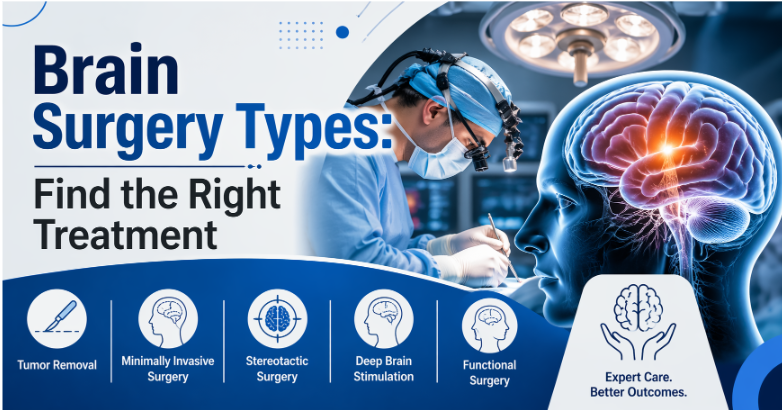
Brain Surgery Types Explained
Let’s simplify the most common types of brain surgery so you understand what each one does.
1. Craniotomy (Open Brain Surgery)
This is the most well-known type.
A portion of the skull is temporarily removed to access the brain. Once the procedure is complete, the bone is placed back.
Used for:
- Brain tumor removal
- Blood clot removal
- Brain swelling
- Trauma cases
Why it’s important:
It gives surgeons direct access to the brain, making it ideal for complex cases.
2. Minimally Invasive Brain Surgery
This technique uses small incisions and advanced tools like endoscopes (tiny cameras).
Used for:
- Small tumors
- Cysts
- Certain skull base conditions
Benefits:
- Less pain
- Faster recovery
- Minimal scarring
This approach is becoming more popular because it reduces overall risk.
3. Endoscopic Brain Surgery
A thin tube with a camera is inserted through natural openings (like the nose) or small cuts.
Used for:
- Pituitary tumors
- Fluid blockages (hydrocephalus)
Advantage:
No large cuts on the skull, making it less invasive.
4. Stereotactic Brain Surgery
This is a highly precise, computer-guided surgery.
Used for:
- Deep brain tumors
- Parkinson’s disease
- Biopsy procedures
Why it stands out:
It targets exact brain areas without affecting surrounding tissue.
5. Deep Brain Stimulation (DBS)
This is more of a functional procedure than traditional surgery.
Electrodes are implanted in specific brain areas to control abnormal signals.
Used for:
- Parkinson’s disease
- Tremors
- Movement disorders
Key benefit:
Improves symptoms without removing brain tissue.
6. Awake Brain Surgery
Yes, this sounds intense-but it’s carefully controlled.
The patient is awake during certain parts of surgery so doctors can monitor brain function.
Used for:
- Tumors near speech or movement areas
Why it’s done:
To avoid damage to critical brain functions.
7. Skull Base Surgery
This treats tumors or abnormalities at the base of the brain.
Used for:
- Complex tumors
- Nerve-related issues
Often performed using minimally invasive techniques.
When Is Brain Surgery Needed?
Doctors recommend brain surgery only when absolutely necessary.
Common reasons include:
- Brain tumors (benign or cancerous)
- Severe head injury
- Brain bleeding (hemorrhage)
- Epilepsy not controlled by medication
- Pressure buildup in the brain
- Infections or abscess
If you’re dealing with conditions like tumors, consulting an experienced specialist through this page
https://mazdaturel.com/brain-tumor-surgeon-in-mumbai/
can help you understand the right approach early.
How to Choose the Right Brain Surgery Type
This is where most patients feel stuck.
The reality is—you don’t “choose” blindly. The decision depends on:
1. Condition Type
A tumor requires a different approach than epilepsy or trauma.
2. Location in the Brain
Some areas are highly sensitive and require precision techniques like stereotactic surgery.
3. Size and Severity
Larger or aggressive conditions may need open surgery.
4. Patient Health
Age, medical history, and overall health matter.
5. Surgeon’s Expertise
The experience of the neurosurgeon plays a huge role in outcomes.
This is why consulting specialists like Dr. Mazda K. Turel in Mumbai can make a significant difference in both treatment planning and results.
Risks of Brain Surgery
Let’s be honest-every surgery has risks.
But understanding them helps you prepare better.
Possible risks:
- Infection
- Bleeding
- Swelling
- Memory or speech issues
- Weakness or paralysis (rare)
The important part:
With modern techniques and skilled surgeons, risks are much lower than before.
Recovery After Brain Surgery
Recovery is not the same for everyone.
Short-term recovery:
- Hospital stay: 3–10 days
- Initial healing: 2–6 weeks
Long-term recovery:
- Full recovery: weeks to months
- Rehab (if needed): physiotherapy, speech therapy
What affects recovery:
- Type of surgery
- Patient’s health
- Early diagnosis
- Post-surgery care
Life After Brain Surgery
Most people assume life will never be the same.
That’s not always true.
Many patients:
- Return to normal work
- Resume daily activities
- Live healthy lives
The key is timely treatment and proper guidance.
Signs You Should Not Ignore
Sometimes people delay treatment because symptoms feel “minor.”
Watch out for:
- Frequent headaches
- Sudden vision problems
- Memory loss
- Seizures
- Weakness in limbs
- Personality changes
Early diagnosis can reduce the need for complex surgery.
Why Early Consultation Matters
Delaying treatment often leads to:
- More complicated surgery
- Higher risks
- Longer recovery
Getting evaluated early – even if symptoms seem small – can completely change outcomes.
If you’re unsure, reviewing expert guidance here:
https://mazdaturel.com/brain-tumor-surgeon-in-mumbai/
can help you take the first step.
Final Thoughts
Understanding brain surgery types removes a lot of fear.
You start seeing it not as something scary but as a solution tailored to your condition.
Modern neurosurgery is:
- More precise
- Less invasive
- More successful
The most important step?
Choosing the right specialist and acting early.
FAQs on Brain Surgery Types
1. What are the main types of brain surgery?
The main types include craniotomy, minimally invasive surgery, endoscopic surgery, stereotactic surgery, and deep brain stimulation.
2. Which brain surgery is safest?
Minimally invasive and stereotactic surgeries are generally safer due to smaller incisions and precision targeting.
3. How long does brain surgery take?
It can take anywhere from 2 to 8 hours depending on the complexity.
4. Is brain surgery painful?
Patients are under anesthesia during surgery. Post-surgery discomfort is manageable with medication.
5. What is the success rate of brain surgery?
Success rates vary by condition but are significantly higher today due to advanced techniques and experienced surgeons.
6. How long is recovery after brain surgery?
Basic recovery may take a few weeks, while full recovery can take months.
7. Can brain surgery affect memory or speech?
It depends on the area operated on, but advanced techniques help minimize these risks.
8. When should I consult a neurosurgeon?
If you experience persistent headaches, seizures, vision issues, or neurological symptoms, you should seek expert advice.
1 thought on “Brain Surgery Types: Find the Right Treatment”
Over the past two years, I was searching for a way to support my mom after she was diagnosed with Parkinson’s disease. It was a very challenging time for our family. She struggled with tremors, stiffness, fatigue, and over time it began to affect her daily activities, independence, and overall confidence.While looking online for anything that might help, I came across a post in a Google group where someone shared their experience with a herbal program from NaturePath Herbal Clinic. They described how the program had helped them manage similar symptoms, which gave us a sense of hope.At first, we were unsure, but we decided to give it a try for my mom. After a few months, we began to notice some positive changes. Her tremors became less intense, her movements felt a bit easier, and her energy and mood improved. Seeing her regain some comfort and confidence again has meant a lot to our family.If you or someone you care about is dealing with Parkinson’s disease, it might be worth exploring their approach:
Website: http://www.naturepathherbalclinic.com
Email: info@ naturepathherbalclinic .com