
Best Doctor for Cervical Spondylosis in Mumbai
Best Doctor for Cervical Spondylosis in Mumbai
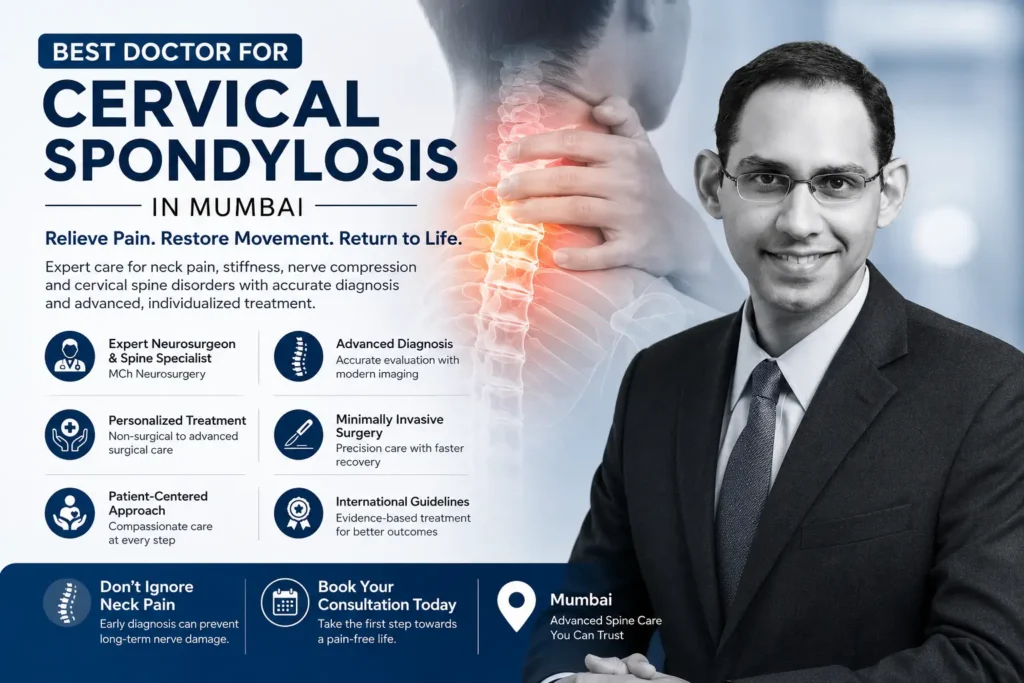
Neck Pain Shouldn't Control Your Everyday Life
Persistent neck pain, stiffness, tingling in your arms, or frequent headaches can make even simple daily activities uncomfortable. If these symptoms continue for weeks or begin affecting your work, sleep, or quality of life, it is important to seek expert evaluation before the condition worsens.
If you are looking for the best doctor for cervical spondylosis, Dr. Mazda K. Turel offers comprehensive diagnosis and evidence-based treatment for a wide range of cervical spine conditions. As an experienced MCh Neurosurgeon and Spine Specialist in Mumbai, he focuses on identifying the exact cause of your symptoms and recommending the most appropriate treatment—whether it involves medication, physiotherapy, minimally invasive procedures, or advanced spine surgery when required.
Every patient receives an individualized treatment plan designed to relieve pain, restore movement, and help return to normal activities safely.
- Why Patients Choose Dr. Mazda Turel
- MCh Neurosurgery & Fellowship-Trained Spine Surgeon
- Expertise in Complex Cervical Spine Disorders
- Advanced Diagnostic Evaluation
- Personalized Non-Surgical & Surgical Treatment Plans
- Minimally Invasive Spine Surgery Whenever Appropriate
- Compassionate, Patient-Centered Care
- Treatment Based on International Clinical Guidelines
Why Choose Dr. Mazda Turel for Cervical Spondylosis Treatment?
Choosing the right spine specialist is one of the most important decisions when dealing with cervical spondylosis. Neck pain may arise from age-related degeneration, disc problems, arthritis, nerve compression, or spinal instability. Identifying the exact cause requires clinical expertise and careful assessment.
Dr. Mazda Turel combines advanced neurosurgical training with years of experience treating disorders affecting the brain and spine. His approach emphasizes accurate diagnosis, conservative treatment whenever possible, and surgery only when medically necessary.
- Comprehensive Spine Evaluation
Rather than treating only the pain, every consultation focuses on identifying the underlying cause of your symptoms.
This includes evaluating:
- Neck mobility
- Muscle strength
- Reflexes
- Nerve function
- Walking balance
- Arm and hand coordination
- Imaging findings
A precise diagnosis helps create a treatment plan tailored to your condition.
Patient-First Treatment Philosophy
Every patient experiences cervical spondylosis differently.
Some need only lifestyle changes and physiotherapy.
Others may benefit from medications, injections, or minimally invasive procedures.
Patients with severe spinal cord compression or progressive neurological symptoms may require surgery.
Treatment decisions are always based on:
- Severity of symptoms
- Clinical examination
- MRI findings
- Daily activity limitations
- Overall health
- Individual treatment goals
Advanced Technology for Accurate Diagnosis
Modern spine care relies on precise imaging and neurological assessment.
Depending on your condition, evaluation may include:
- Digital X-rays
- MRI of the cervical spine
- CT Scan
- Dynamic Flexion-Extension X-rays
- Nerve Conduction Studies (when indicated)
- Electromyography (EMG)
These investigations help identify disc degeneration, spinal canal narrowing, nerve compression, cervical instability, and spinal cord involvement.
Focus on Non-Surgical Treatment First
Many people believe cervical spondylosis always requires surgery.
In reality, most patients improve with structured conservative treatment.
Whenever appropriate, Dr. Mazda Turel recommends:
- Activity modification
- Targeted physiotherapy
- Pain management
- Posture correction
- Neck strengthening exercises
- Ergonomic advice
- Lifestyle modifications
Surgery is recommended only when non-surgical treatment fails or neurological deterioration occurs.
Expertise in Complex Cervical Spine Disorders
Patients often consult Dr. Mazda Turel for conditions including:
- Cervical spondylosis
- Cervical disc prolapse
- Cervical radiculopathy
- Cervical myelopathy
- Cervical spinal stenosis
- Herniated cervical disc
- Degenerative spine disease
- Neck pain with nerve compression
- Spinal cord compression
- Cervical instability
Safe Surgical Care When Needed
When surgery becomes necessary, careful planning is essential.
The objective is to:
- Relieve pressure on nerves
- Protect the spinal cord
- Restore spinal stability
- Preserve movement whenever possible
- Improve quality of life
Modern surgical techniques often reduce tissue damage, blood loss, and hospital stay while supporting faster recovery.
What Is Cervical Spondylosis?
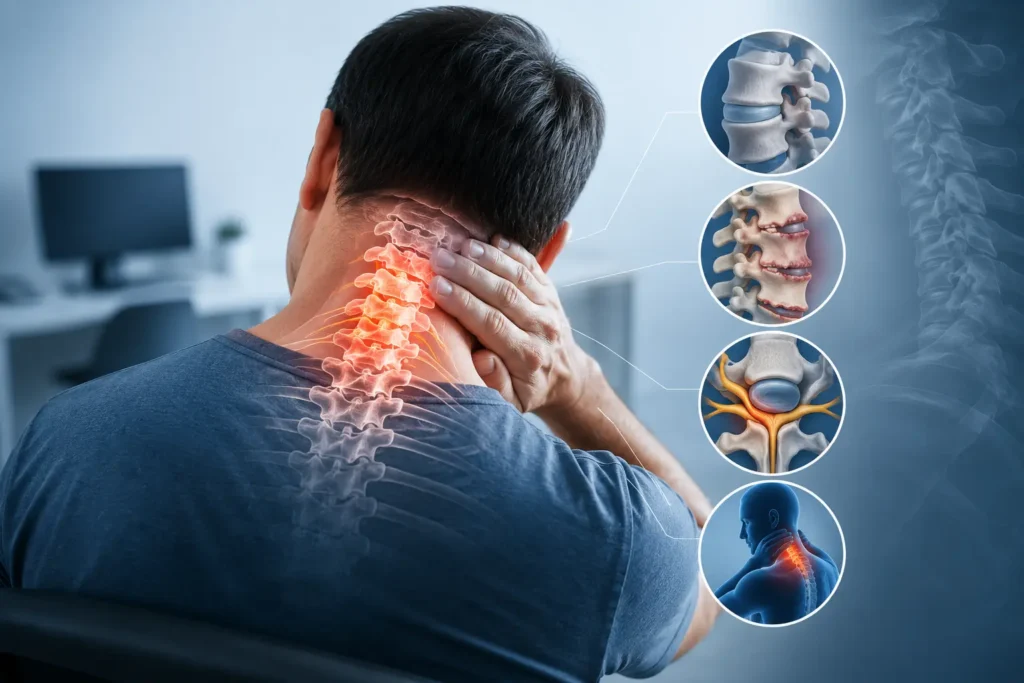
Cervical spondylosis is a common age-related condition that affects the bones, discs, joints, and ligaments of the neck. Over time, the spinal discs gradually lose water content and elasticity, making them thinner and less effective at absorbing shock.
As degeneration progresses, the body may develop bone spurs (osteophytes), thickened ligaments, and joint arthritis. These changes can narrow the spaces through which nerves and the spinal cord travel, causing pain and neurological symptoms.
Although cervical spondylosis becomes more common after the age of 40, it can also affect younger adults due to poor posture, prolonged computer use, repetitive neck strain, previous injuries, or genetic factors.
Many individuals have degenerative changes visible on MRI without symptoms. Others may experience significant pain and nerve compression requiring medical attention.
How Cervical Spondylosis Affects the Neck
The cervical spine consists of seven vertebrae that support the head while allowing flexibility and movement.
Each vertebra is separated by an intervertebral disc that acts as a cushion.
With degeneration:
- Discs lose height
- Facet joints develop arthritis
- Bone spurs form
- Ligaments thicken
- Nerve openings become narrow
- The spinal canal may become compressed
These changes may irritate nearby nerves or place pressure on the spinal cord.
Common Symptoms of Cervical Spondylosis
Symptoms vary depending on which structures are affected.
Patients may experience:
- Persistent neck pain
- Neck stiffness
- Pain radiating to the shoulder
- Arm pain
- Tingling in the fingers
- Hand numbness
- Weak grip strength
- Muscle weakness
- Headaches beginning from the neck
- Shoulder blade pain
- Difficulty turning the neck
- Balance problems
- Walking difficulty
- Loss of hand coordination
Symptoms often worsen after prolonged desk work, driving, mobile phone use, or sleeping in poor positions.
Who Is More Likely to Develop Cervical Spondylosis?
Risk increases with:
- Advancing age
- Office-based work
- Poor posture
- Long hours using computers
- Frequent mobile phone use
- Heavy lifting
- Previous neck injuries
- Smoking
- Obesity
- Family history of spinal degeneration
- Lack of physical activity
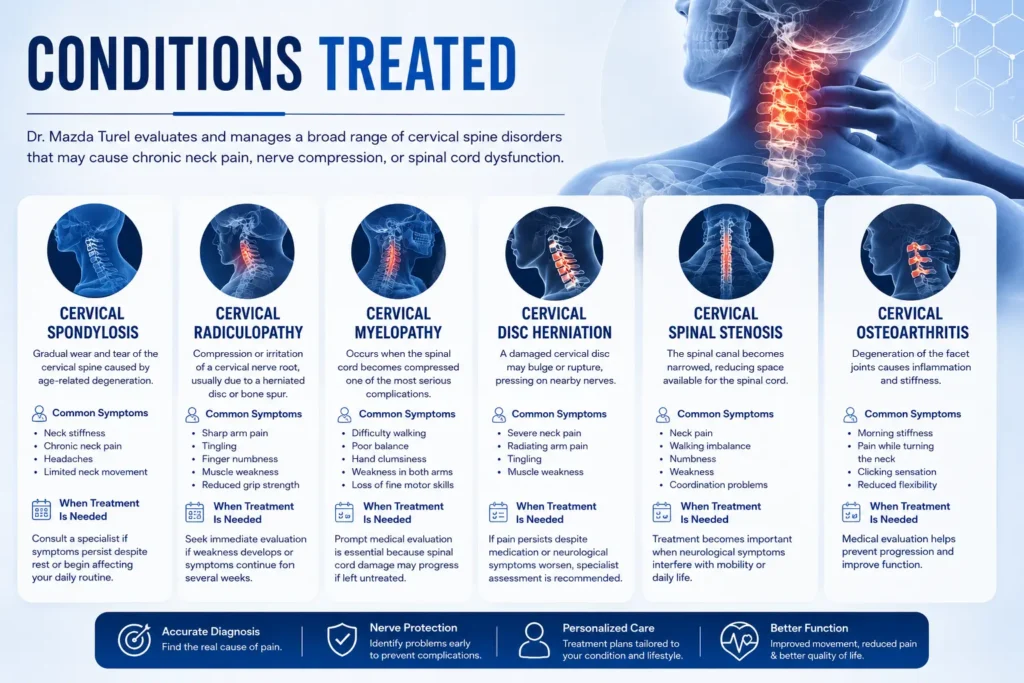
Conditions Treated
Dr. Mazda Turel evaluates and manages a broad range of cervical spine disorders that may cause chronic neck pain, nerve compression, or spinal cord dysfunction.
- Cervical Spondylosis
This is the gradual wear and tear of the cervical spine caused by age-related degeneration.
- Common Symptoms
- Neck stiffness
- Chronic neck pain
- Headaches
- Limited neck movement
- When Treatment Is Needed
Consult a specialist if symptoms persist despite rest or begin affecting your daily routine.
- Cervical Radiculopathy
This occurs when a cervical nerve root becomes compressed or irritated, usually due to a herniated disc or bone spur.
- Common Symptoms
- Sharp arm pain
- Tingling
- Finger numbness
- Muscle weakness
- Reduced grip strength
- When Treatment Is Needed
Seek immediate evaluation if weakness develops or symptoms continue for several weeks.
- Cervical Myelopathy
This condition develops when the spinal cord becomes compressed.
It is one of the most serious complications of cervical spondylosis.
- Common Symptoms
- Difficulty walking
- Poor balance
- Hand clumsiness
- Weakness in both arms
- Loss of fine motor skills
- When Treatment Is Needed
Prompt medical evaluation is essential because spinal cord damage may progress if left untreated.
- Cervical Disc Herniation
A damaged cervical disc may bulge or rupture, pressing on nearby nerves.
- Common Symptoms
- Severe neck pain
- Radiating arm pain
- Tingling
- Muscle weakness
- When Treatment Is Needed
If pain persists despite medication or neurological symptoms worsen, specialist assessment is recommended.
- Cervical Spinal Stenosis
The spinal canal becomes narrowed, reducing space available for the spinal cord.
- Common Symptoms
- Neck pain
- Walking imbalance
- Numbness
- Weakness
- Coordination problems
- When Treatment Is Needed
Treatment becomes important when neurological symptoms interfere with mobility or daily life.
- Cervical Osteoarthritis
Degeneration of the facet joints causes inflammation and stiffness.
- Common Symptoms
- Morning stiffness
- Pain while turning the neck
- Clicking sensation
- Reduced flexibility
- When Treatment Is Needed
Medical evaluation helps prevent progression and improve function.
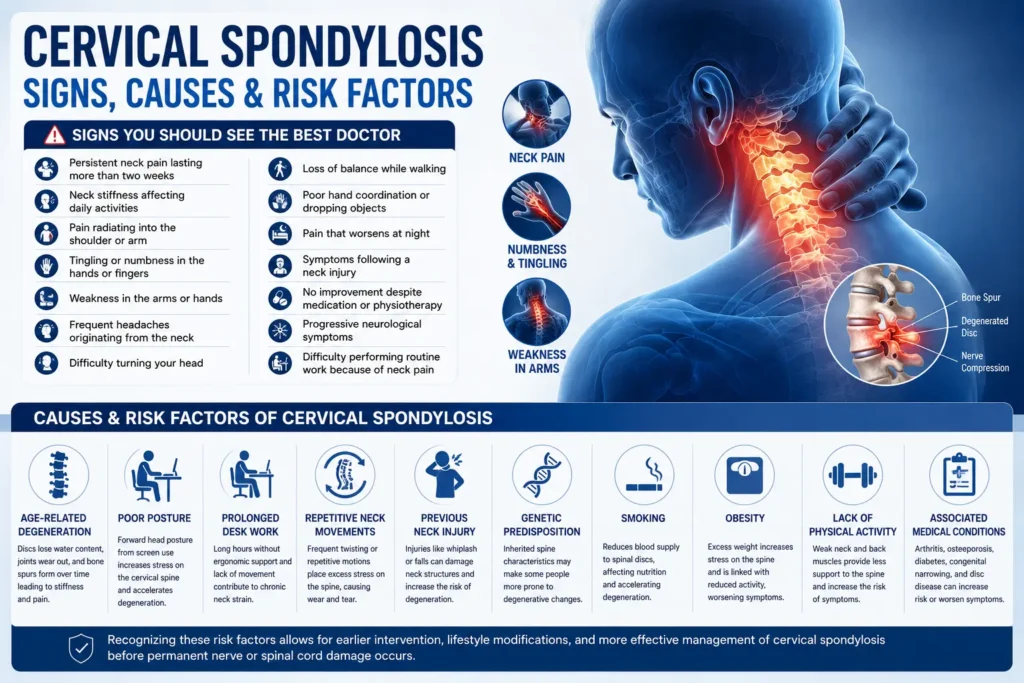
Signs You Should See the Best Doctor for Cervical Spondylosis
Do not ignore persistent symptoms. Early diagnosis often allows simpler treatment and better long-term outcomes.
You should consult a cervical spine specialist if you experience:
- Persistent neck pain lasting more than two weeks
- Neck stiffness affecting daily activities
- Pain radiating into the shoulder or arm
- Tingling or numbness in the hands or fingers
- Weakness in the arms or hands
- Frequent headaches originating from the neck
- Difficulty turning your head
- Loss of balance while walking
- Poor hand coordination or dropping objects
- Pain that worsens at night
- Symptoms following a neck injury
- No improvement despite medication or physiotherapy
- Progressive neurological symptoms
- Difficulty performing routine work because of neck pain
Causes and Risk Factors of Cervical Spondylosis
Cervical spondylosis develops gradually as the structures of the neck undergo natural wear over time. While ageing is the most common cause, several lifestyle, occupational, and health-related factors can speed up this process.
Understanding these causes helps patients take preventive steps and seek treatment before symptoms become severe.
- Age-Related Degeneration
As people grow older, the intervertebral discs naturally lose water content and elasticity. This reduces their ability to absorb shock, causing the vertebrae to move closer together. Over time, the body may form bone spurs and develop arthritis in the facet joints, leading to stiffness, pain, and reduced neck movement.
- Poor Posture
Spending long hours with the head bent forward while using computers, laptops, tablets, or smartphones places continuous stress on the cervical spine. This “forward head posture” increases pressure on the discs and joints, accelerating degeneration.
- Prolonged Desk Work
People who work at desks for extended periods without proper ergonomic support are more likely to develop chronic neck strain. Inadequate workstation setup, lack of movement, and repetitive neck positions contribute to cervical spine problems.
- Repetitive Neck Movements
Jobs or activities that require frequent twisting, bending, or repetitive neck motion can place excessive stress on the cervical spine, increasing the risk of early wear and tear.
- Previous Neck Injury
Past injuries such as whiplash from road traffic accidents, sports injuries, or falls may damage the discs, ligaments, or joints of the neck. Even after recovery, these injuries can increase the likelihood of developing cervical spondylosis later in life.
- Genetic Predisposition
Some individuals inherit spinal characteristics that make them more susceptible to degenerative changes. A family history of cervical spine disorders may increase the overall risk.
- Smoking
Smoking reduces blood supply to the spinal discs, affecting their nutrition and healing capacity. This can accelerate disc degeneration and contribute to chronic neck pain.
- Obesity
Excess body weight increases mechanical stress on the spine and is often associated with reduced physical activity, both of which can contribute to spinal degeneration.
- Lack of Physical Activity
Weak neck and upper back muscles provide less support to the cervical spine. Regular exercise helps maintain flexibility, muscle strength, and spinal stability, reducing the risk of symptoms.
- Associated Medical Conditions
Certain conditions may increase the risk or worsen symptoms, including:
- Osteoarthritis
- Rheumatoid arthritis
- Osteoporosis
- Diabetes
- Congenital narrowing of the spinal canal
- Degenerative disc disease
Recognizing these risk factors allows for earlier intervention, lifestyle modifications, and more effective management of cervical spondylosis before permanent nerve or spinal cord damage occurs.
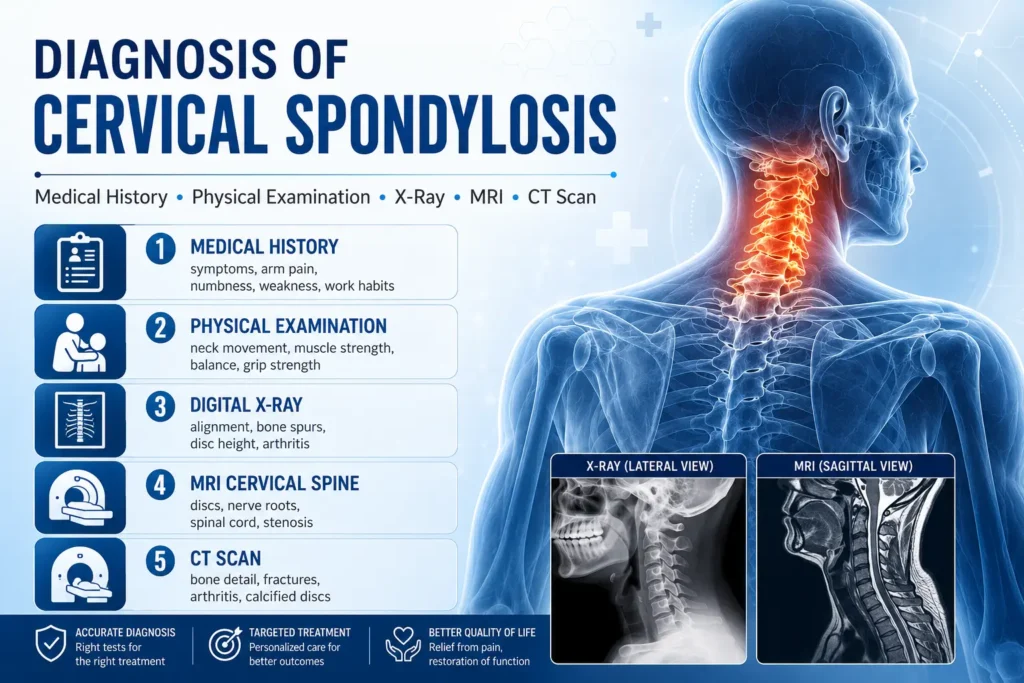
Diagnosis of Cervical Spondylosis
Accurate diagnosis is the foundation of successful treatment. Neck pain can arise from several conditions, including muscle strain, cervical disc herniation, spinal stenosis, arthritis, ligament injuries, or nerve compression. Treating symptoms alone without identifying the underlying cause may delay recovery.
Dr. Mazda Turel performs a detailed clinical evaluation to determine exactly which part of the cervical spine is responsible for your symptoms before recommending treatment.
- Medical History
Your consultation begins with an in-depth discussion about your symptoms and overall health.
You may be asked about:
- When the pain started
- Whether the pain is constant or intermittent
- Pain radiating to the shoulder or arm
- Tingling or numbness
- Muscle weakness
- Difficulty walking
- Previous neck injuries
- Daily work habits
- Computer or mobile phone usage
- Previous treatments
- Existing medical conditions
Understanding your medical history helps narrow down the possible causes of cervical spine problems.
- Physical Examination
A comprehensive neurological examination is performed to assess the function of your cervical spine and nervous system.
The examination may include:
- Neck range of motion
- Muscle strength testing
- Sensation assessment
- Deep tendon reflexes
- Walking pattern
- Balance evaluation
- Hand coordination
- Grip strength
- Signs of spinal cord compression
These findings often indicate whether the problem involves muscles, nerves, spinal discs, or the spinal cord.
- Digital X-Ray
X-rays provide valuable information about the alignment and stability of the cervical spine.
They help identify:
- Bone spurs (osteophytes)
- Loss of disc height
- Arthritis
- Cervical alignment
- Instability
- Degenerative changes
Dynamic flexion-extension X-rays may also be advised if spinal instability is suspected.
- MRI Scan of the Cervical Spine
Magnetic Resonance Imaging (MRI) is the most useful investigation for evaluating cervical spondylosis.
It clearly shows:
- Intervertebral discs
- Nerve roots
- Spinal cord
- Ligaments
- Disc prolapse
- Disc degeneration
- Cervical spinal stenosis
- Myelopathy
- Soft tissue abnormalities
MRI helps determine the severity of nerve or spinal cord compression and guides treatment planning.
- CT Scan
A CT scan provides highly detailed images of the bones and is especially useful for evaluating:
- Complex arthritis
- Bone spurs
- Previous spinal surgery
- Fractures
- Calcified discs
Sometimes, both CT and MRI are required for complete assessment.
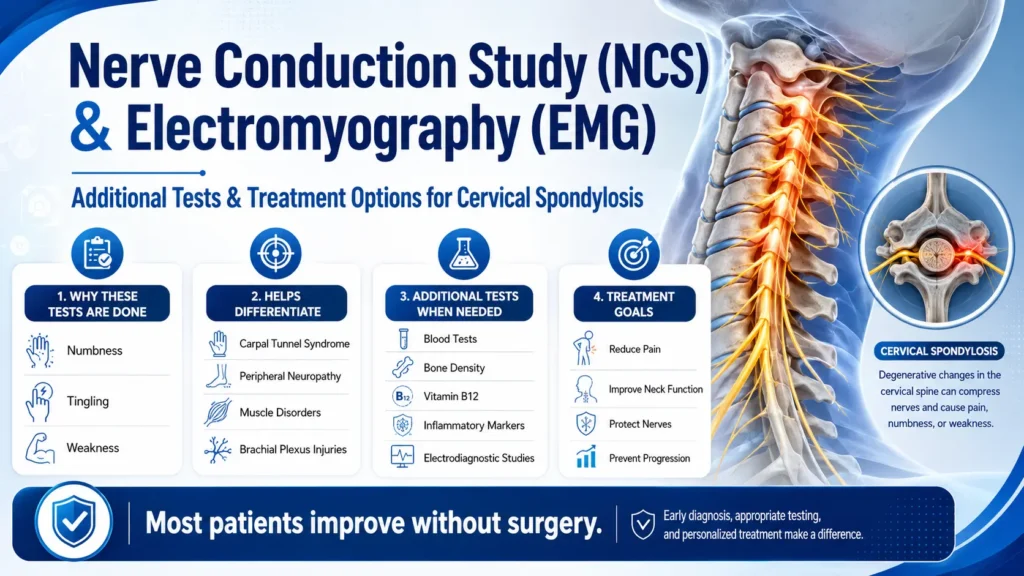
Nerve Conduction Study (NCS) and Electromyography (EMG)
If symptoms such as numbness, tingling, or weakness are present, these tests may be recommended to evaluate nerve function.
They help differentiate cervical nerve compression from other conditions such as:
- Carpal tunnel syndrome
- Peripheral neuropathy
- Muscle disorders
- Brachial plexus injuries
- When Additional Tests May Be Needed
Depending on your symptoms, further investigations may include:
- Blood tests to rule out inflammatory disorders
- Bone density assessment
- Vitamin B12 evaluation
- Inflammatory markers
- Electrodiagnostic studies
Every investigation is recommended only when clinically indicated.
Treatment Options for Cervical Spondylosis
The most appropriate treatment depends on the severity of degeneration, the level of nerve compression, your symptoms, age, occupation, and lifestyle.
The goal is not only to reduce pain but also to improve neck function, protect the nerves, and prevent progression of the disease.
Most patients improve without surgery.
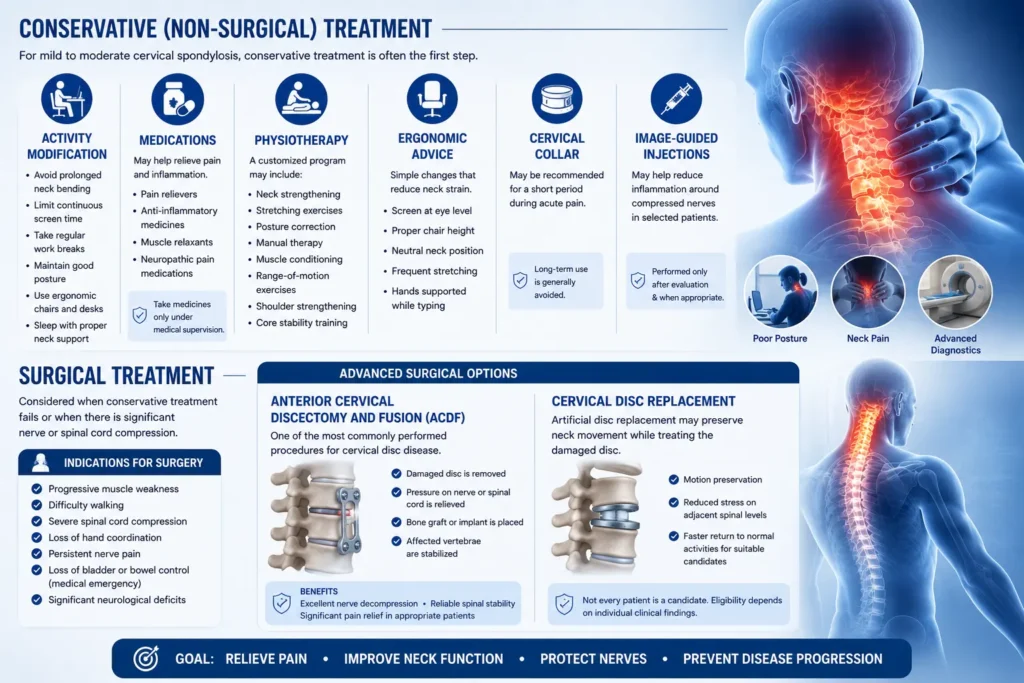
Conservative (Non-Surgical) Treatment
For mild to moderate cervical spondylosis, conservative treatment is often the first step.
1. Activity Modification
Small lifestyle changes can significantly reduce stress on the cervical spine.
Patients are advised to:
- Avoid prolonged neck bending
- Limit continuous screen time
- Take regular work breaks
- Maintain good posture
- Use ergonomic chairs and desks
- Sleep with proper neck support
2. Medications
Depending on your condition, medications may help relieve pain and inflammation.
These may include:
- Pain relievers
- Anti-inflammatory medicines
- Muscle relaxants
- Neuropathic pain medications
Medicines should always be taken under medical supervision.
3. Physiotherapy
Physiotherapy plays an important role in improving movement and reducing pain.
A customized rehabilitation program may include:
- Neck strengthening exercises
- Stretching exercises
- Posture correction
- Manual therapy
- Muscle conditioning
- Range-of-motion exercises
- Shoulder strengthening
- Core stability training
Regular physiotherapy often improves flexibility and reduces recurring pain episodes.
4. Ergonomic Advice
Many patients develop cervical spondylosis because of poor workplace posture.
Simple modifications include:
- Screen at eye level
- Proper chair height
- Neutral neck position
- Frequent stretching
- Hands supported while typing
These adjustments help reduce long-term strain on the cervical spine.
5. Cervical Collar
A cervical collar may be recommended for a short period during acute pain episodes.
However, prolonged use is generally avoided because it may weaken neck muscles.
6. Image-Guided Injections
For selected patients with persistent pain, image-guided injections may help reduce inflammation around compressed nerves.
These procedures are performed only after careful evaluation and when appropriate.
Surgical Treatment
Surgery is considered only when conservative treatment does not provide sufficient relief or when there is significant spinal cord or nerve compression.
Common indications include:
- Progressive muscle weakness
- Difficulty walking
- Severe spinal cord compression
- Loss of hand coordination
- Persistent nerve pain
- Loss of bladder or bowel control (medical emergency)
- Significant neurological deficits
The choice of surgery depends on the affected spinal level, the type of compression, and the patient’s overall health.
Surgical Treatment
- Advanced Surgical Options
- Anterior Cervical Discectomy and Fusion (ACDF)
This is one of the most commonly performed procedures for cervical disc disease.
During surgery:
- The damaged disc is removed.
- Pressure on the nerve or spinal cord is relieved.
- A bone graft or implant is placed.
- The affected vertebrae are stabilized.
- Benefits
- Excellent nerve decompression
- Reliable spinal stability
- Significant pain relief in appropriate patients
2. Cervical Disc Replacement
In selected patients, artificial disc replacement may preserve neck movement while treating the damaged disc.
Potential advantages include:
- Motion preservation
- Reduced stress on adjacent spinal levels
- Faster return to normal activities for suitable candidates
Not every patient is a candidate, and eligibility depends on individual clinical findings.
3. Posterior Cervical Decompression
When compression occurs from the back of the spinal canal or involves multiple spinal levels, posterior decompression may be recommended.
The procedure aims to:
- Create more space for the spinal cord
- Relieve nerve compression
- Improve neurological function
4. Cervical Laminectomy
This procedure removes part of the vertebral bone (lamina) to relieve pressure on the spinal cord.
It is often considered in patients with:
- Multilevel spinal stenosis
- Cervical myelopathy
- Extensive spinal cord compression
5. Cervical Laminoplasty
Instead of removing the lamina, laminoplasty reshapes and repositions it to enlarge the spinal canal while preserving spinal stability.
This procedure is appropriate in carefully selected patients.
6. Spinal Fusion
When instability is present, spinal fusion helps stabilize the affected vertebrae using implants and bone grafts.
The objective is to:
- Prevent abnormal movement
- Protect the spinal cord
- Reduce pain caused by instability
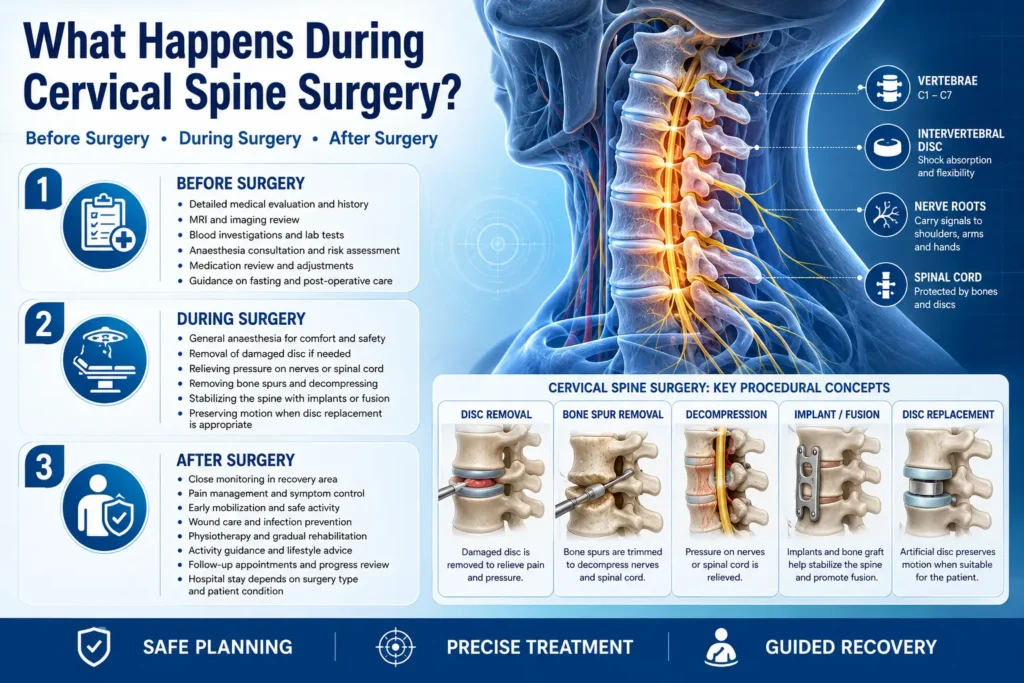
What Happens During Cervical Spine Surgery?
Understanding the surgical process helps reduce anxiety and prepares patients for recovery.
- Before Surgery
Before the procedure, several steps are taken to ensure safety and optimize outcomes.
These include:
- Detailed medical evaluation
- MRI and imaging review
- Blood investigations
- Cardiac assessment when required
- Anaesthesia consultation
- Medication review
- Discussion of surgical goals and potential risks
Patients also receive guidance regarding fasting, medications, and post-operative care.
- During Surgery
The procedure is performed under general anaesthesia.
Depending on the condition, surgery may involve:
- Removing the damaged disc
- Relieving pressure on nerves or the spinal cord
- Removing bone spurs
- Stabilizing the spine with implants or fusion
- Preserving motion when disc replacement is appropriate
Throughout the procedure, patient safety remains the highest priority.
- After Surgery
Following surgery, patients are monitored closely during recovery.
Depending on the procedure performed, many patients are encouraged to begin gentle movement within a short period under medical supervision.
The recovery plan may include:
- Pain management
- Early mobilization
- Wound care
- Physiotherapy
- Activity guidance
- Follow-up appointments
Hospital stay varies according to the type of surgery and the patient’s overall condition.
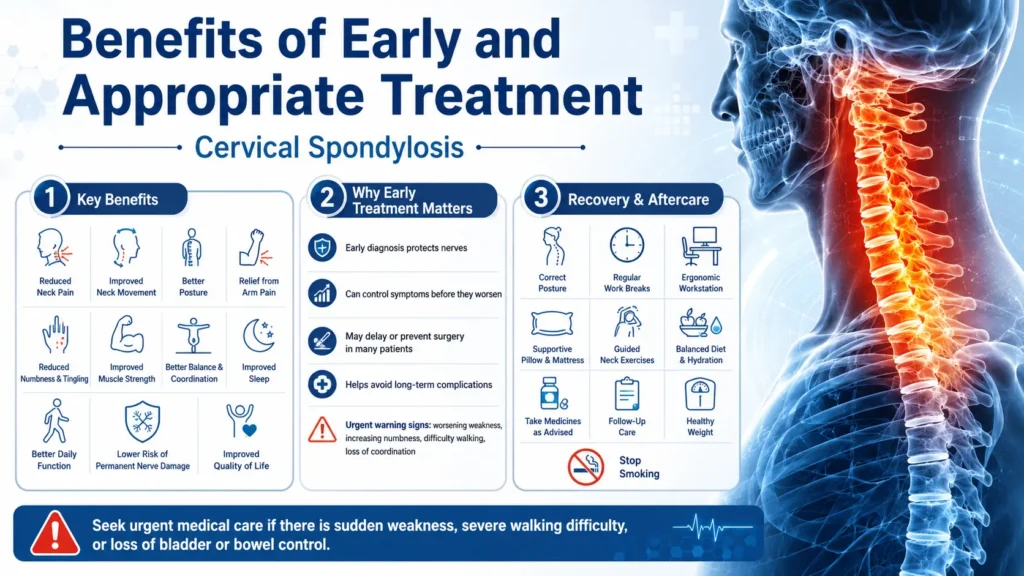
Benefits of Early and Appropriate Treatment
Receiving timely care for cervical spondylosis can improve comfort, protect neurological function, and reduce the risk of long-term complications.
Potential benefits include:
- Reduced neck pain
- Improved neck movement
- Better posture
- Relief from arm pain
- Reduced numbness and tingling
- Improved muscle strength
- Better balance and coordination
- Improved quality of sleep
- Greater ability to perform daily activities
- Reduced risk of permanent nerve damage
- Improved overall quality of life
The exact outcome depends on the severity of the condition, overall health, and adherence to the recommended treatment plan.
Why Early Treatment Matters
Many people assume that neck pain is simply part of ageing and postpone seeking medical advice. However, persistent symptoms should not be ignored.
When cervical spondylosis progresses, the narrowing of the spinal canal or nerve openings can become more severe. This may lead to ongoing pain, weakness, reduced hand function, balance problems, or, in advanced cases, cervical myelopathy caused by spinal cord compression.
Early diagnosis allows treatment to begin before irreversible nerve damage occurs. In many patients, prompt intervention with medication, physiotherapy, posture correction, and lifestyle changes can control symptoms and delay or even prevent the need for surgery.
Seeking timely evaluation is especially important if you notice worsening weakness, increasing numbness, difficulty walking, or loss of coordination. These symptoms require urgent assessment by a spine specialist.
Recovery and Aftercare
Recovery from cervical spondylosis depends on the severity of the condition and the treatment provided. Whether managed conservatively or surgically, following the recommended aftercare plan plays a key role in long-term improvement.
- Lifestyle Changes
Healthy daily habits can reduce strain on the cervical spine and help prevent symptom recurrence.
Patients are encouraged to:
- Maintain correct sitting and standing posture
- Avoid prolonged mobile phone use with the neck bent forward
- Take regular breaks during desk work
- Use ergonomic workstations
- Sleep on a supportive mattress and pillow
- Avoid sudden neck movements
- Stop smoking if applicable
- Maintain a healthy body weight
- Neck Exercises
After medical evaluation, a physiotherapist may recommend exercises to:
- Improve flexibility
- Strengthen neck and shoulder muscles
- Enhance posture
- Improve spinal stability
- Reduce stiffness
Exercises should always be performed under professional guidance, especially after surgery.
- Diet and Nutrition
A balanced diet supports recovery and overall bone health.
Patients are advised to consume:
- Protein-rich foods
- Fresh fruits and vegetables
- Calcium-rich foods
- Vitamin D sources
- Adequate fluids
Good nutrition supports healing and general well-being.
- Medications
Take all prescribed medicines exactly as directed. Do not stop or change medications without consulting your doctor.
- Follow-Up Care
Regular follow-up visits allow your specialist to monitor healing, assess symptom improvement, review imaging if needed, and make adjustments to your treatment or rehabilitation plan.
Most importantly, seek immediate medical attention if you experience sudden weakness, worsening numbness, severe difficulty walking, loss of bladder or bowel control, or rapidly increasing neck pain, as these symptoms may indicate urgent spinal cord or nerve involvement.

Emergency Cases
Please feel welcome to contact our friendly reception staff with any general or medical equiry call us.
Frequently Asked Questions
1. Who Is the Best Doctor for Cervical Spondylosis in Mumbai?
Choosing the best doctor for cervical spondylosis depends on the specialist's training, experience in treating cervical spine disorders, and ability to provide both non-surgical and surgical treatment options. Dr. Mazda Turel is an MCh Neurosurgeon with extensive experience in diagnosing and managing cervical spine conditions, including cervical spondylosis, cervical disc prolapse, spinal stenosis, cervical myelopathy, and nerve compression.
2. What Is Cervical Spondylosis?
Cervical spondylosis is an age-related condition in which the discs, joints, bones, and ligaments of the neck gradually undergo wear and tear. These changes may lead to neck pain, stiffness, headaches, numbness, tingling, or weakness in the arms if nearby nerves or the spinal cord become compressed.
3. What Are the Early Symptoms of Cervical Spondylosis?
Early symptoms may include:
- Neck pain
- Neck stiffness
- Pain while turning the head
- Headaches beginning from the neck
- Shoulder pain
- Tingling in the fingers
- Mild numbness
- Muscle tightness
Symptoms often worsen after prolonged computer work or poor posture.
4. Can Cervical Spondylosis Be Cured Permanently?
Cervical spondylosis is a degenerative condition and cannot be completely reversed. However, its symptoms can often be effectively managed with appropriate treatment. Many patients experience long-term relief through physiotherapy, posture correction, medication, lifestyle modifications, and, when necessary, surgery.
5. Does Everyone With Cervical Spondylosis Need Surgery?
No. Most patients do not require surgery.
Conservative treatment is usually effective for mild to moderate cases. Surgery is generally considered only when:
- Symptoms persist despite treatment
- Nerve compression causes weakness
- Spinal cord compression develops
- Walking becomes difficult
- Progressive neurological symptoms occur
Treatment recommendations are based on the individual's condition rather than imaging findings alone.
6. How Is Cervical Spondylosis Diagnosed?
Diagnosis typically includes:
- Detailed medical history
- Physical examination
- Neurological assessment
- Cervical spine X-rays
- MRI scan
- CT scan (when required)
- Nerve conduction studies or EMG in selected cases
These tests help determine the exact cause and severity of the condition.
7. What Is the Best Treatment for Cervical Spondylosis?
The best treatment depends on the severity of symptoms and the underlying cause.
Treatment may include:
- Pain-relieving medications
- Physiotherapy
- Neck-strengthening exercises
- Ergonomic modifications
- Activity modification
- Image-guided injections (for selected patients)
- Minimally invasive spine surgery or conventional surgery when indicated
An individualized treatment plan offers the best chance of symptom control and functional improvement.
8. Can Physiotherapy Help Cervical Spondylosis?
Yes. Physiotherapy is one of the most effective non-surgical treatments for many patients.
It can help:
- Reduce pain
- Improve flexibility
- Strengthen neck muscles
- Improve posture
- Increase mobility
- Reduce the risk of recurring symptoms
The exercise program should be tailored to the patient's condition.
9. What Happens If Cervical Spondylosis Is Left Untreated?
Ignoring persistent symptoms may allow the condition to progress.
Possible complications include:
- Chronic neck pain
- Persistent arm pain
- Muscle weakness
- Nerve damage
- Loss of hand coordination
- Difficulty walking
- Cervical myelopathy
- Reduced quality of life
Early evaluation helps reduce the risk of long-term complications.
10. Can Poor Posture Cause Cervical Spondylosis?
Poor posture does not directly cause cervical spondylosis, but it can increase stress on the cervical spine and contribute to earlier degeneration or worsening symptoms.
Maintaining proper posture while working, driving, and using digital devices helps reduce strain on the neck.
11. How Long Does Recovery Take After Cervical Spine Surgery?
Recovery varies depending on:
- The type of procedure performed
- The severity of the condition
- Overall health
- Adherence to rehabilitation
Many patients gradually resume light daily activities within a few weeks, while complete recovery may take several months. Your surgeon will provide guidance based on your specific procedure and progress.
12. Can Cervical Spondylosis Cause Headaches?
Yes. Degenerative changes in the cervical spine can sometimes cause headaches that begin at the back of the neck and radiate toward the head. These are often referred to as cervicogenic headaches.
13. Is Walking Good for Cervical Spondylosis?
Walking is generally considered a low-impact activity that supports overall spinal health. It may help improve circulation, maintain flexibility, and promote general fitness.
However, patients with severe spinal cord compression, balance problems, or significant neurological symptoms should consult their spine specialist before starting or changing an exercise routine.
14. When Should I See a Spine Specialist Immediately?
You should seek urgent medical attention if you experience:
- Sudden weakness in the arms or legs
- Difficulty walking
- Loss of balance
- Loss of bladder or bowel control
- Progressive numbness
- Severe neck pain following an injury
- Rapidly worsening neurological symptoms
These may indicate significant nerve or spinal cord compression and require prompt evaluation.