
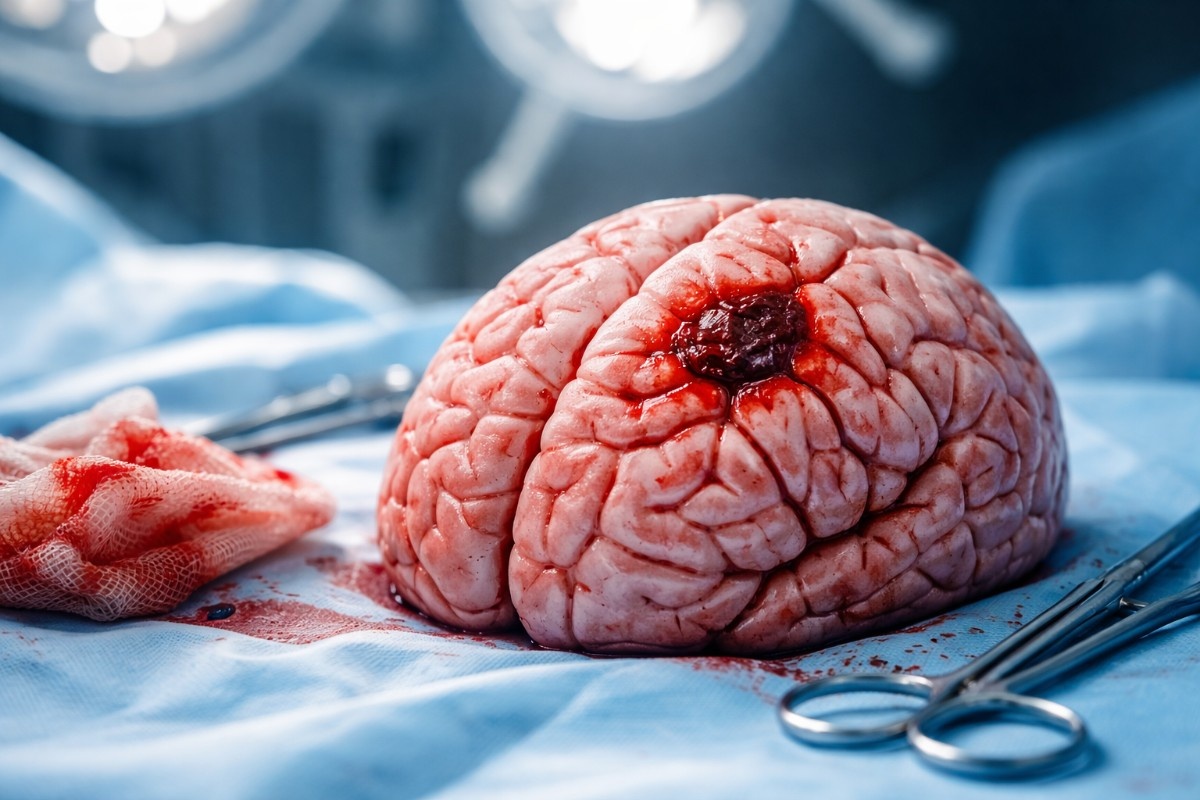
Blood clot in brain surgery is one of the most concerning complications patients and families worry about after a brain operation. While brain surgery is often life-saving, recovery does not always follow a straight line. Some changes after surgery are expected, but others may signal a problem that needs quick medical attention.
This blog explains, in simple words, what a blood clot in brain surgery means, why it can happen, what changes patients may notice after surgery, and how doctors manage this risk safely. If you or your loved one has undergone brain surgery, this guide will help you understand recovery better and feel more prepared.
An Overview of Blood Clot in Brain Surgery
A blood clot is a thick collection of blood that forms when blood flow slows down or stops. During or after brain surgery, blood clots can sometimes form inside the brain or in blood vessels supplying the brain.
In medical terms, this may be called:
- Intracranial clot (clot inside the skull)
- Post-operative hematoma (collection of blood after surgery)
In simple words:
A blood clot in brain surgery means blood has pooled where it should not, putting pressure on the brain.
Why Can a Blood Clot Form After Brain Surgery?
Brain surgery involves delicate blood vessels. Even with the best surgical care, clots can sometimes develop due to:
1. Surgical Trauma
During surgery, small blood vessels may bleed. Usually, this stops on its own, but sometimes blood collects and forms a clot.
2. Reduced Blood Flow
After surgery, patients may lie still for long hours. Slow blood flow increases the chance of clot formation.
3. Blood Thinning or Thickening Issues
Some patients have blood that clots too easily or take medicines that affect clotting.
4. Swelling After Surgery
Brain swelling can press on blood vessels, slowing blood movement and encouraging clot formation.
What Changes After Surgery If a Blood Clot Develops?
Not every change after surgery means a blood clot, but certain changes need attention.
Common Changes That Doctors Monitor Closely
- Increased headache that does not improve
- Sudden weakness in arms or legs
- Difficulty speaking or understanding words
- Confusion or unusual sleepiness
- Seizures after surgery
- Vision changes
- Nausea or repeated vomiting
These symptoms happen because a clot puts pressure on brain tissue, affecting normal brain function.
Early Warning Signs That Should Never Be Ignored
Some signs appear slowly, while others come suddenly. Contact a doctor immediately if you notice:
- One-sided body weakness
- Drooping of face
- Sudden loss of balance
- Sharp worsening of headache
- Change in behavior or personality
- Loss of consciousness
Early detection can prevent serious damage.
How Doctors Diagnose Blood Clot in Brain Surgery
Doctors rely on both symptoms and imaging tests.
CT Scan
A quick scan that shows bleeding or clots inside the brain.
MRI Scan
Gives detailed images of brain tissue and blood vessels.
Neurological Examination
Doctors check speech, movement, reflexes, and awareness.
These tests help doctors decide the next steps quickly.
How Is a Blood Clot Treated After Brain Surgery?
Treatment depends on the size, location, and effect of the clot.
1. Careful Observation
Small clots may dissolve on their own with close monitoring.
2. Medications
Doctors may give medicines to reduce swelling or prevent further clotting.
3. Surgical Drainage
If the clot causes pressure on the brain, another surgery may be needed to remove it.
4. Intensive Care Monitoring
Patients may stay in ICU for close observation until stable.
The goal is always to protect brain function and support safe recovery.
How Does a Blood Clot Affect Recovery Time?
A blood clot in brain surgery can slow recovery, but outcomes vary.
- Mild clots: Recovery may be delayed slightly
- Moderate clots: Temporary weakness or speech issues may occur
- Severe clots: Longer rehabilitation may be needed
With timely treatment, many patients recover well and regain daily function.
Can Blood Clots Be Prevented After Brain Surgery?
Doctors take multiple steps to reduce risk:
- Careful surgical technique
- Blood pressure control
- Early movement when safe
- Blood-thinning medicines if needed
- Regular scans after surgery
Patients also play a role by following post-surgery instructions carefully.
Life After Brain Surgery: What Patients Should Expect
Recovery is not just physical, it is emotional too.
Patients may experience:
- Fatigue
- Mood changes
- Memory issues
- Anxiety about symptoms
These are common and often temporary. Regular follow-ups help track healing and catch problems early.
When to Contact Your Surgeon Immediately
Do not wait if you notice:
- Sudden neurological changes
- Severe headache
- New seizures
- Rapid decline in alertness
Quick action can save brain function and life.
Choosing the Right Neurosurgeon Matters
Managing risks like blood clots requires experience, precision, and strong post-operative care. Patients looking for advanced brain surgery and recovery care often consult experienced neurosurgeons like Dr. Mazda Turel, who is known for handling complex brain conditions with a patient-first approach.
For more details about his expertise in brain surgery, you can visit this page:
https://mazdaturel.com/brain-tumor-surgeon-in-mumbai/
Final Thoughts
A blood clot in brain surgery is a serious but manageable complication when detected early. Understanding what changes after surgery helps patients and families stay alert without panic. With skilled surgical care, proper monitoring, and timely treatment, many patients recover safely and return to their normal lives.
If you or your loved one is recovering from brain surgery, stay informed, follow medical advice, and never hesitate to ask questions. Awareness is one of the strongest tools in healing.
Frequently Asked Questions (FAQs)
1. Is a blood clot after brain surgery common?
Blood clots after brain surgery are not very common, but they can happen. Doctors monitor patients closely after surgery to catch any early signs and manage them quickly.
2. How soon can a blood clot develop after brain surgery?
A blood clot can develop within the first few hours or days after surgery. In some cases, it may appear later during recovery, which is why follow-up scans and symptom monitoring are important.
3. Are headaches normal after brain surgery, or do they mean a clot?
Mild headaches are common after brain surgery. However, severe headaches that suddenly worsen or do not improve with medication should be checked immediately to rule out a blood clot.
4. Can a blood clot after brain surgery heal on its own?
Small blood clots may dissolve on their own with careful monitoring and medication. Larger clots that press on the brain usually need medical or surgical treatment.
5. What is the most dangerous sign of a blood clot after surgery?
Sudden weakness on one side of the body, loss of speech, seizures, or loss of consciousness are serious warning signs and need emergency medical attention.

4 thoughts on “Blood Clot in Brain Surgery: What Changes After Surgery”
DR UYI has done it for me, His predictions are 100% correct, He is real and can perform miracles with his spell. I am overwhelmed because I just won 336,000, 000 million Euro from a lottery jackpot game with the lottery number DR UYI gave me. I contacted DR UYI for help to win a lottery via Facebook Page DR UYI, he told me that a spell was required to be casted so that he can predict my winning, I provided his requirements for casting the spell and after casting the spell he gave the lottery numbers, I played and won 336,000,00 euros. How can I thank this man enough? His spell is real and like a God on Earth. Thank you for changing my life with your lottery winning numbers. Do you need help to win a lottery too? contact Dr UYI via drzukalottospelltemple@gmail.com OR WhatsApp on +17174154115
My husband just woke up and decided our marriage was over. For a few months now, Mark and i have not been going well because he was having an affair with his assistant at work. I loved my husband so much and decided to stay and work on our marriage. In a short time, Mark stopped coming home and his close friend told me he has another apartment where he live with her. I was hurt and went on seeking for help because Mark was different from the man i married 10 years ago. Luckily, i found Dr OGBO who promised to return my husband back to me. He performed a reconciliation spell and he returned back and now we are both happy again with our boys. If you have issues like mine, send Dr OGBO Email psychicogboreading@gmail.com or contact him on Whatsapp 👉+2349057657558
It is a very hard situation when playing the lottery and never won, or keep winning low fund not up to 100 bucks, i have been a victim of such a tough life, the biggest fund i have ever won was 100 bucks, and i have been playing lottery for almost 11 years now, things suddenly change the moment i came across a secret online, a testimony of a spell caster called Dr.Isa who help people win in any type of lottery numbers, i was not easily convinced, but i decided to give a try, now i am a proud to be a lottery winner with the help of Dr.Isa spell, i won 2,000,000 Million dollars and i am making this known to everyone out there who have been trying all day to win the lottery, believe me this is the only way to win the lottery, this is the real secret we all have been searching for. His WhatsApp: +2347046030096 Email: drisaspellcaster@gmail.com
I was on holiday celebrating my 30th wedding anniversary when I received an email from the National Lottery to inform me that I had won, I never believed in voodoo spells until I became the winner of £61m EuroMillions Lottery with the winning numbers Chief Ade gave me with assurance that I was going to win, not every testimony you see online is fake, that was the same thing Chief Ade told me when I was doubting his spell before I finally agreed to give it a try. The purpose of my coming here is to let the world know that there are still real and genuine people on Earth, and Chief Ade is one of them. Are you struggling to win the lottery, or do you wish to win big on the lottery? Chief Ade is the way Email chiefadespellhome@gmail. com || WhatsApp +234 901 380 6328 THANK YOU ..