
Introduction
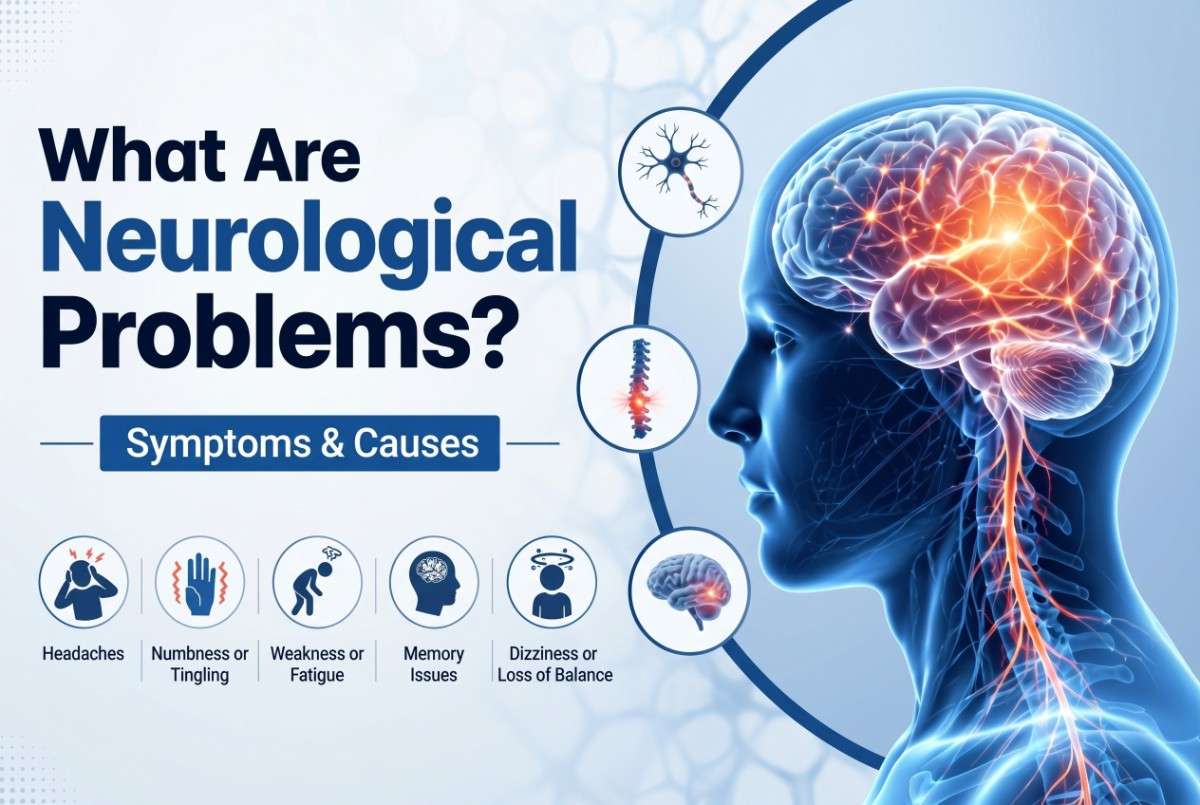
When people hear the term neurological problems, it often sounds complex, even intimidating. But in simple words, these are conditions that affect how your brain, spinal cord, and nerves function. And since these systems control everything from movement to memory any disruption can impact daily life in ways you might not expect.
If you’ve ever experienced frequent headaches, tingling in your hands, sudden weakness, or memory lapses, your body could be signaling something deeper.
Understanding what are neurological problems is not just about medical knowledge, it’s about recognizing early signs, seeking timely help, and protecting your long-term health.
What Are Neurological Problems?
Neurological problems are disorders that affect the nervous system, which includes:
- Brain
- Spinal cord
- Peripheral nerves
These systems act like the body’s command center. They control how you think, move, feel, and even how your organs function.
When something goes wrong in this system – whether due to injury, infection, or disease – it leads to neurological issues.
Why the Nervous System Matters
Think of your nervous system as a network of electrical signals:
- The brain sends instructions
- The spinal cord acts as a highway
- Nerves carry signals to muscles and organs
Even a small disruption in this system can lead to symptoms like:
- Weakness
- Loss of coordination
- Memory issues
- Sensory changes
That’s why neurological health is so critical.
Common Types of Neurological Problems
There isn’t just one type. Neurological disorders can vary widely depending on which part of the nervous system is affected.
1. Brain-Related Disorders
These affect thinking, memory, and coordination.
Examples:
- Brain tumors
- Stroke
- Epilepsy
2. Spine-Related Conditions
These impact movement and nerve signals.
Examples:
- Slip disc
- Spinal cord injury
- Spinal tumors
3. Nerve Disorders
These affect sensation and muscle control.
Examples:
- Neuropathy
- Nerve compression
- Sciatica
4. Degenerative Disorders
These worsen over time.
Examples:
- Parkinson’s disease
- Alzheimer’s disease
Symptoms of Neurological Problems
Symptoms can vary depending on the condition, but some warning signs should never be ignored.
Common Symptoms
- Persistent headaches
- Sudden weakness or paralysis
- Numbness or tingling
- Difficulty speaking or understanding
- Memory loss
- Seizures
- Loss of balance or coordination
- Vision problems
Early Warning Signs People Often Ignore
Many people overlook early symptoms, thinking they are minor issues:
- Frequent dizziness
- Mild hand tremors
- Occasional confusion
- Unexplained fatigue
These could be early signs of a neurological condition.
Causes of Neurological Problems
Understanding the causes helps in prevention and early diagnosis.
1. Injuries
- Head injuries
- Spinal injuries
- Accidents
2. Infections
- Brain infections (encephalitis)
- Meningitis
3. Genetic Factors
Some conditions are inherited and run in families.
4. Lifestyle Factors
- Poor diet
- Lack of exercise
- Smoking
- Alcohol abuse
5. Tumors
Growths in the brain or spine can disrupt normal function.
6. Blood Flow Issues
Conditions like stroke occur when blood supply to the brain is interrupted.
How Neurological Problems Affect Daily Life
This is where things become real.
Neurological conditions don’t just affect health – they affect how you live.
- Difficulty walking
- Trouble remembering things
- Loss of independence
- Emotional stress
Even simple tasks like holding a cup or speaking clearly can become challenging.
When Should You See a Neurologist?
Don’t wait for symptoms to become severe.
Consult a specialist if you notice:
- Sudden weakness in limbs
- Frequent severe headaches
- Seizures
- Loss of consciousness
- Difficulty speaking
Early diagnosis can prevent complications and improve outcomes.
Diagnosis of Neurological Problems
Doctors use a combination of clinical evaluation and tests:
- MRI (brain and spine imaging)
- CT scan
- EEG (brain activity test)
- Blood tests
A detailed evaluation helps identify the exact issue.
Treatment Options Available
Treatment depends on the condition, severity, and patient health.
Common Approaches:
1. Medication
Used for:
- Seizures
- Pain
- Inflammation
2. Physical Therapy
Helps improve movement and strength.
3. Surgery
Required in cases like:
- Brain tumors
- Severe spinal conditions
4. Lifestyle Changes
- Healthy diet
- Regular exercise
- Stress management
For expert diagnosis and advanced care, you can explore professional neurological consultation at
Dr. Mazda K. Turel through his official platform: https://mazdaturel.com/
Can Neurological Problems Be Prevented?
Not all, but many can be reduced with the right habits.
Prevention Tips:
- Maintain a balanced diet
- Exercise regularly
- Avoid smoking and alcohol
- Manage blood pressure and diabetes
- Wear helmets and seat belts
Real-Life Impact: Why Awareness Matters
Most neurological problems don’t appear suddenly. They build slowly.
What starts as:
- Occasional headaches
- Mild numbness
…can progress into serious conditions if ignored.
Awareness is the first step toward prevention.
The Role of Early Diagnosis
Early detection can:
- Reduce complications
- Improve recovery
- Prevent permanent damage
This is especially important for conditions like tumors, stroke, and nerve disorders.
Expert Care Makes a Difference
Neurological conditions require precision and experience.
Choosing the right specialist plays a huge role in recovery and outcomes.
If you’re looking for trusted care, visiting https://mazdaturel.com/ can help you understand treatment options and expert guidance available.
FAQs: What Are Neurological Problems?
1. What are neurological problems in simple terms?
Neurological problems are conditions that affect the brain, spinal cord, or nerves, impacting movement, thinking, and body functions.
2. What are the first signs of neurological disorders?
Early signs include headaches, numbness, dizziness, memory issues, and difficulty in coordination.
3. Are neurological problems serious?
Some are mild, but others can be life-threatening if not treated early. Early diagnosis is key.
4. Can neurological problems be cured?
Some conditions can be treated completely, while others can be managed with proper care.
5. What causes neurological problems?
They can be caused by injuries, infections, genetics, tumors, or lifestyle factors.
6. Which doctor treats neurological problems?
A neurologist or neurosurgeon specializes in diagnosing and treating these conditions.
7. Can stress cause neurological issues?
Chronic stress can contribute to symptoms like headaches, sleep issues, and nerve-related discomfort.
2 thoughts on “What Are Neurological Problems? Symptoms & Causes”
Over the past two years, I was searching for a way to support my mom after she was diagnosed with Parkinson’s disease. It was a very challenging time for our family. She struggled with tremors, stiffness, fatigue, and over time it began to affect her daily activities, independence, and overall confidence.While looking online for anything that might help, I came across a post in a Google group where someone shared their experience with a herbal program from NaturePath Herbal Clinic. They described how the program had helped them manage similar symptoms, which gave us a sense of hope.At first, we were unsure, but we decided to give it a try for my mom. After a few months, we began to notice some positive changes. Her tremors became less intense, her movements felt a bit easier, and her energy and mood improved. Seeing her regain some comfort and confidence again has meant a lot to our family.If you or someone you care about is dealing with Parkinson’s disease, it might be worth exploring their approach:
Website: http://www.naturepathherbalclinic.com
Email: info@ naturepathherbalclinic .com
AI has caused me more problems than it has solved. I was connected to a cryptocurrency trader through AI and lost my hard-earned money to a scam. If it weren’t for the assistance of Lord Meduza, whom my sister-in-law recommended to me, I wouldn’t have been able to win the $435 MILLION Mega Millions Lottery. My life could have taken a drastic turn due to the overwhelming bills I faced after being cheated by the crypto traders. Lord Meduza utilized his extraordinary spell powers to determine the perfect six numbers I needed to win the Mega Millions Lottery, and I followed his instructions to play those numbers. I am incredibly thankful for the support, love, and kindness he has shown, which is beyond measure. For further info about his services, please visit his website: lordmeduzaspelltemple.com or If you need an immediate response, you can Whats – App the number on his website or email: lordmeduzatemple@hotmail.com